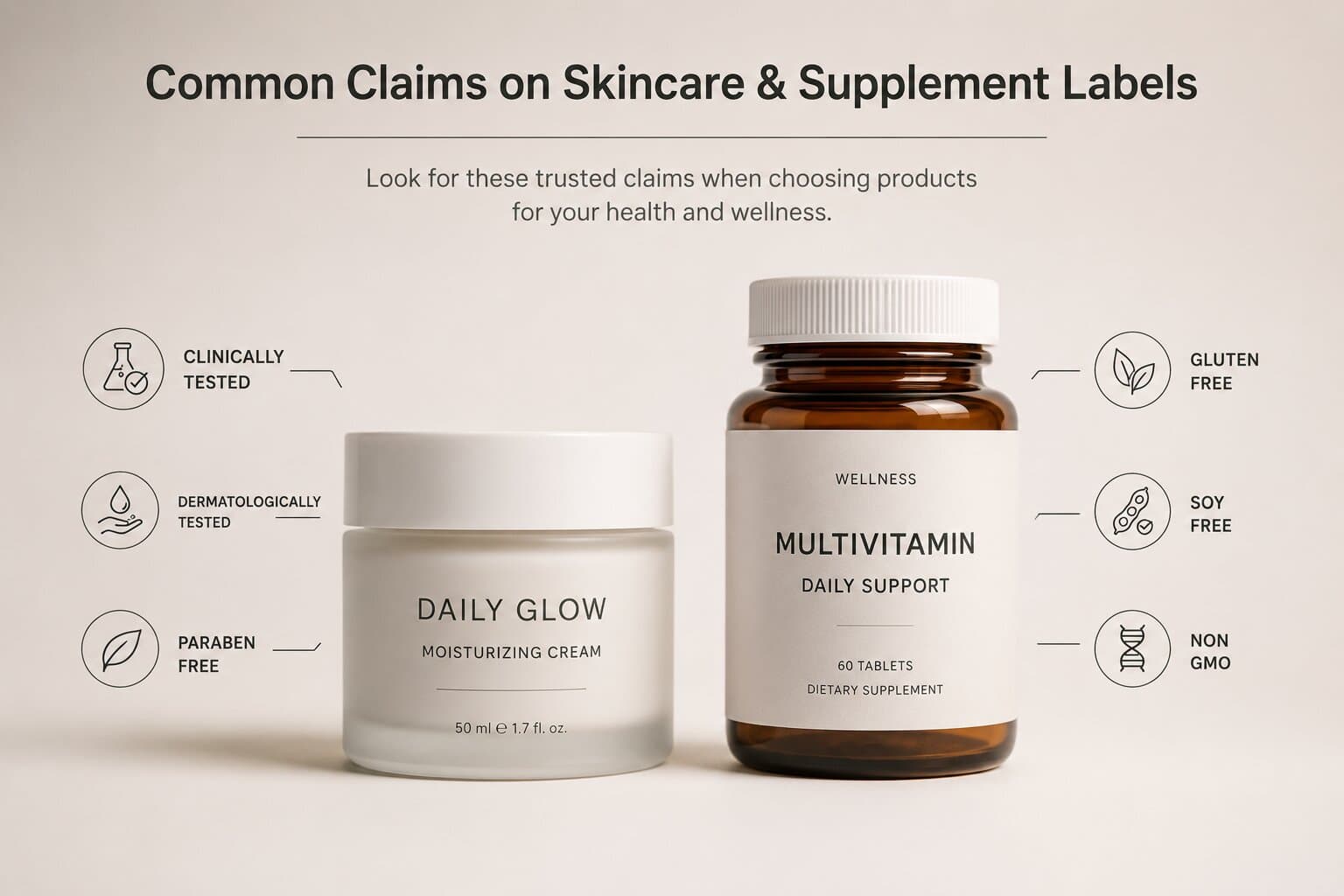
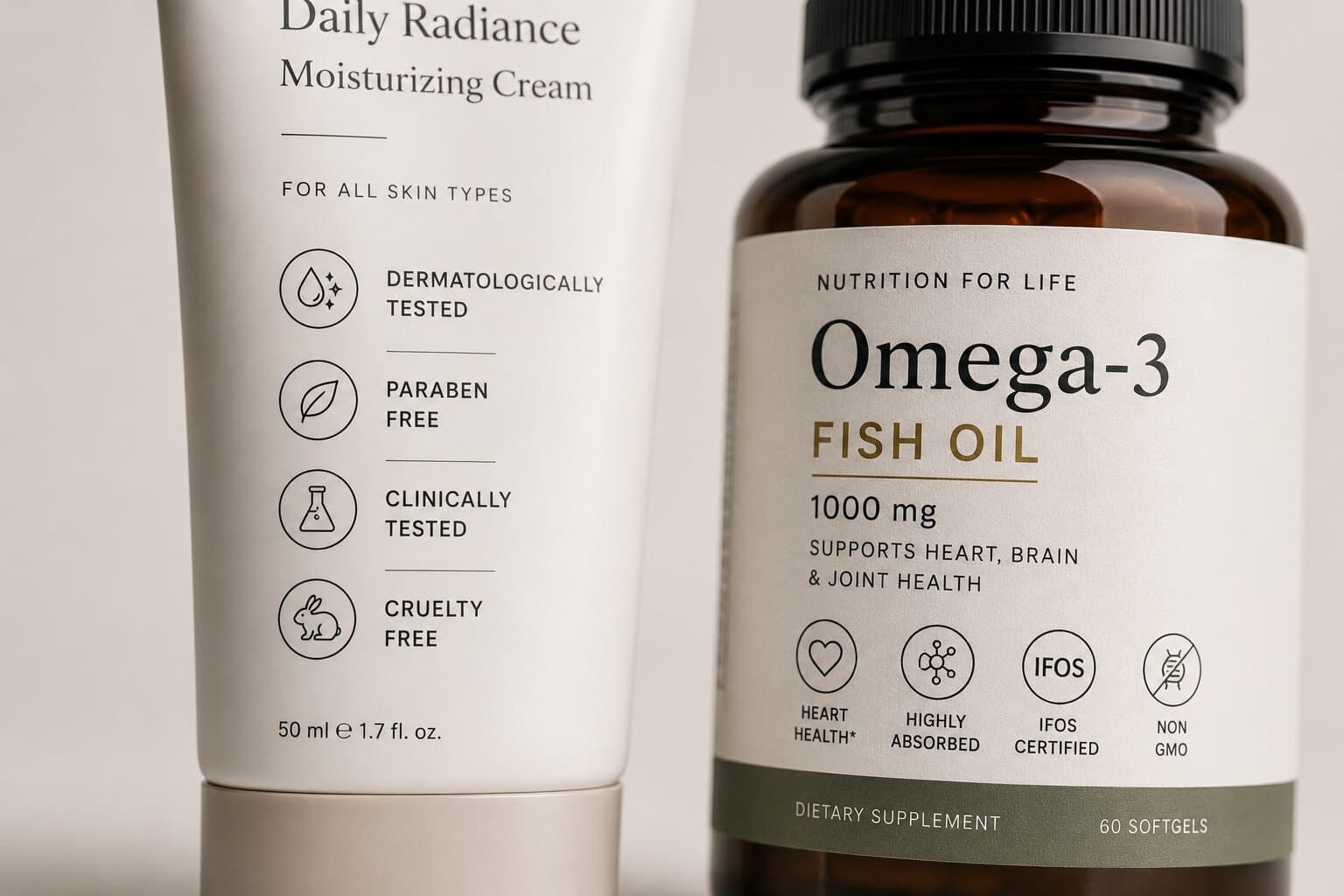
Every product category has its own vocabulary of claims. Skincare has "Non-Comedogenic" and "Hypoallergenic." Supplements have "High Potency" and "Third-Party Tested." Food has "All Natural" and "No Added Sugar." Cosmetics have "Cruelty Free" and "Reef Safe."
Some of these claims are backed by rigorous, documented work. Others are looser: technically accurate but light on substance. As a customer, there’s usually no easy way to tell the difference just by reading the front of the pack.
Three Questions Worth Asking
Before taking any product claim at face value, three questions tend to separate the well-supported claims from the vague ones:
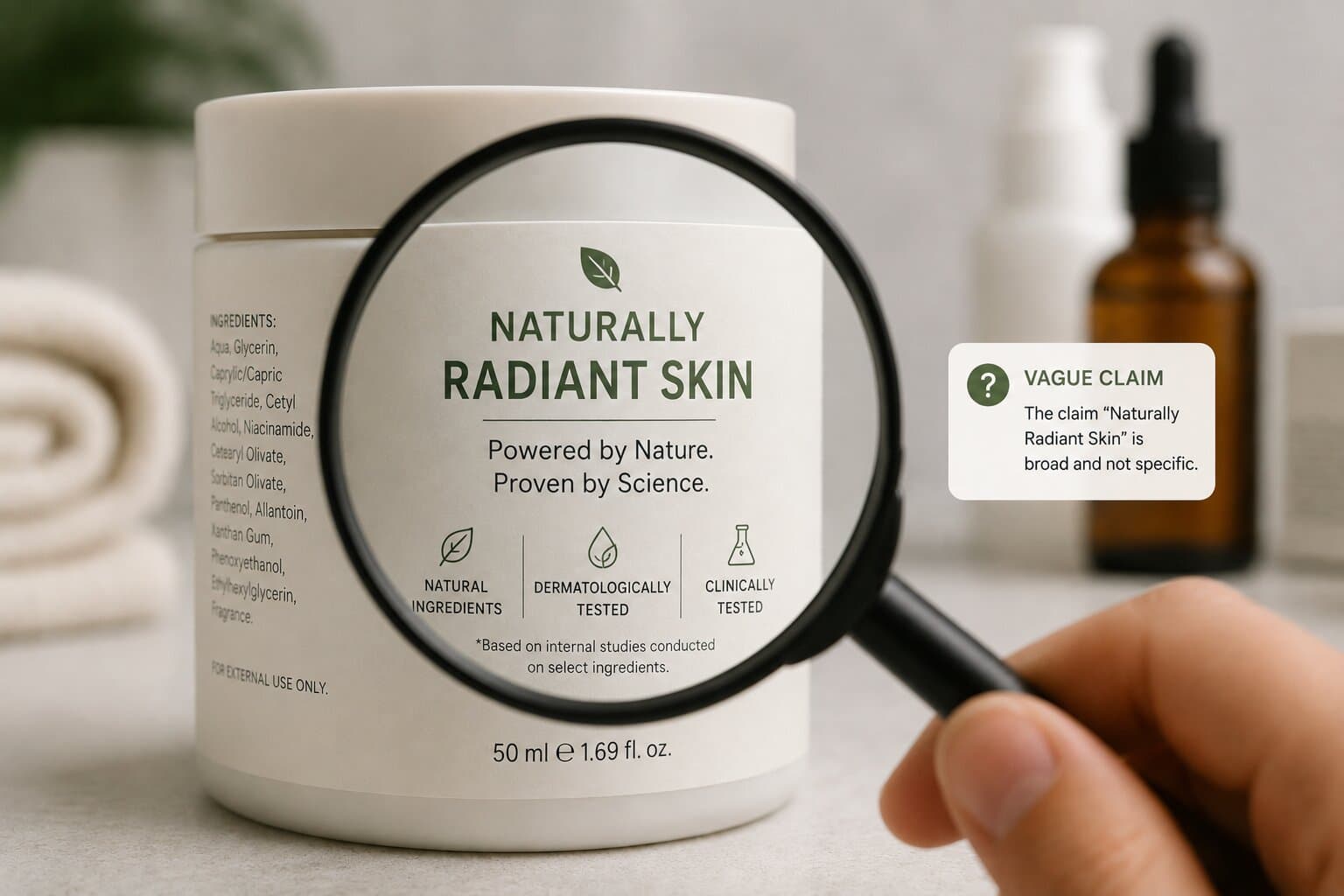
- What specifically was tested or documented? "Clinically Tested" for what: irritation, efficacy, allergic reaction? A claim that’s specific ("Tested for skin irritation on 50 participants over 4 weeks") tells you more than one that isn’t.
- Who is the information coming from? Was the underlying documentation something the brand generated internally, or is it a third-party certification with its own standards, like the ones tracked by Leaping Bunny for cruelty-free claims? Both can be legitimate, but they mean different things.
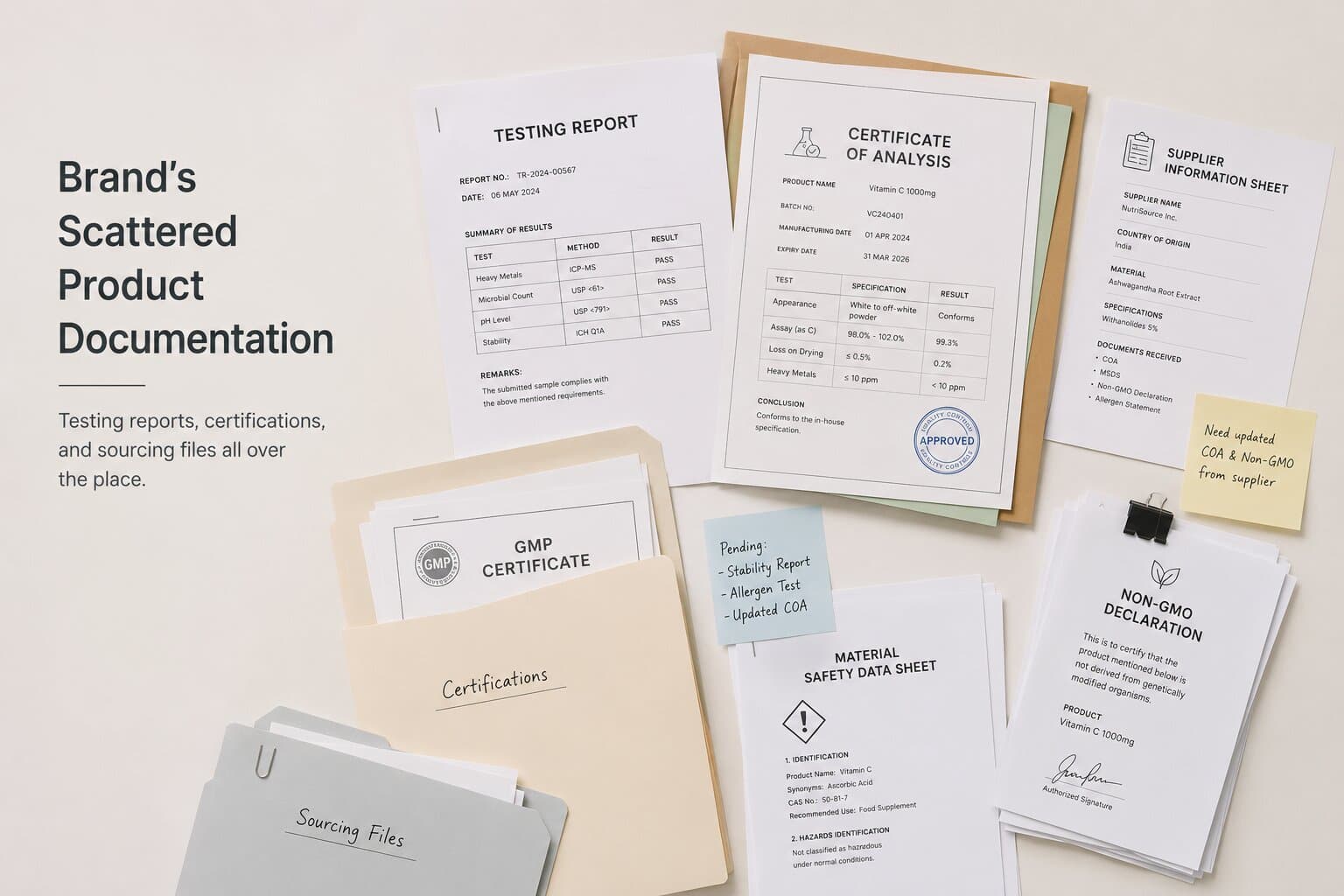
- Can I actually see it? This is the one most claims fail. Even when solid work sits behind a claim, it’s often inaccessible: locked in an internal file, referenced vaguely, or simply never published anywhere a customer would find it.
Why This Is Hard for Customers Right Now
The honest answer is that most customers don’t ask these questions, not because they don’t care, but because doing so is genuinely inconvenient. It means leaving the product page, searching a brand’s website, maybe emailing customer support, and often coming up empty anyway.
That friction pushes most people toward one of two extremes: blind acceptance of the label, or blanket skepticism toward all claims. Neither is a great outcome, for customers or for the brands making legitimate, well-documented claims that simply aren’t easy to find. Brands should hold their own claims to this same standard before printing them, a process we cover in A Brand's Guide to Making Claims That Actually Hold Up.
Making the Supporting Information Findable
This is the specific gap TruOrigin addresses. Rather than a claim standing alone on a label with no easy path to its supporting details, TruOrigin gives brands a structured way to connect each claim to the documentation behind it: testing summaries, certifications, ingredient sourcing, organized so a customer can explore it without needing technical expertise or a lot of patience.
The claim itself doesn’t change. What changes is whether a customer can actually look into it, in a few taps, instead of a frustrating search.
Want to see how a claim-to-evidence structure looks for products in your category?
Book a demo →