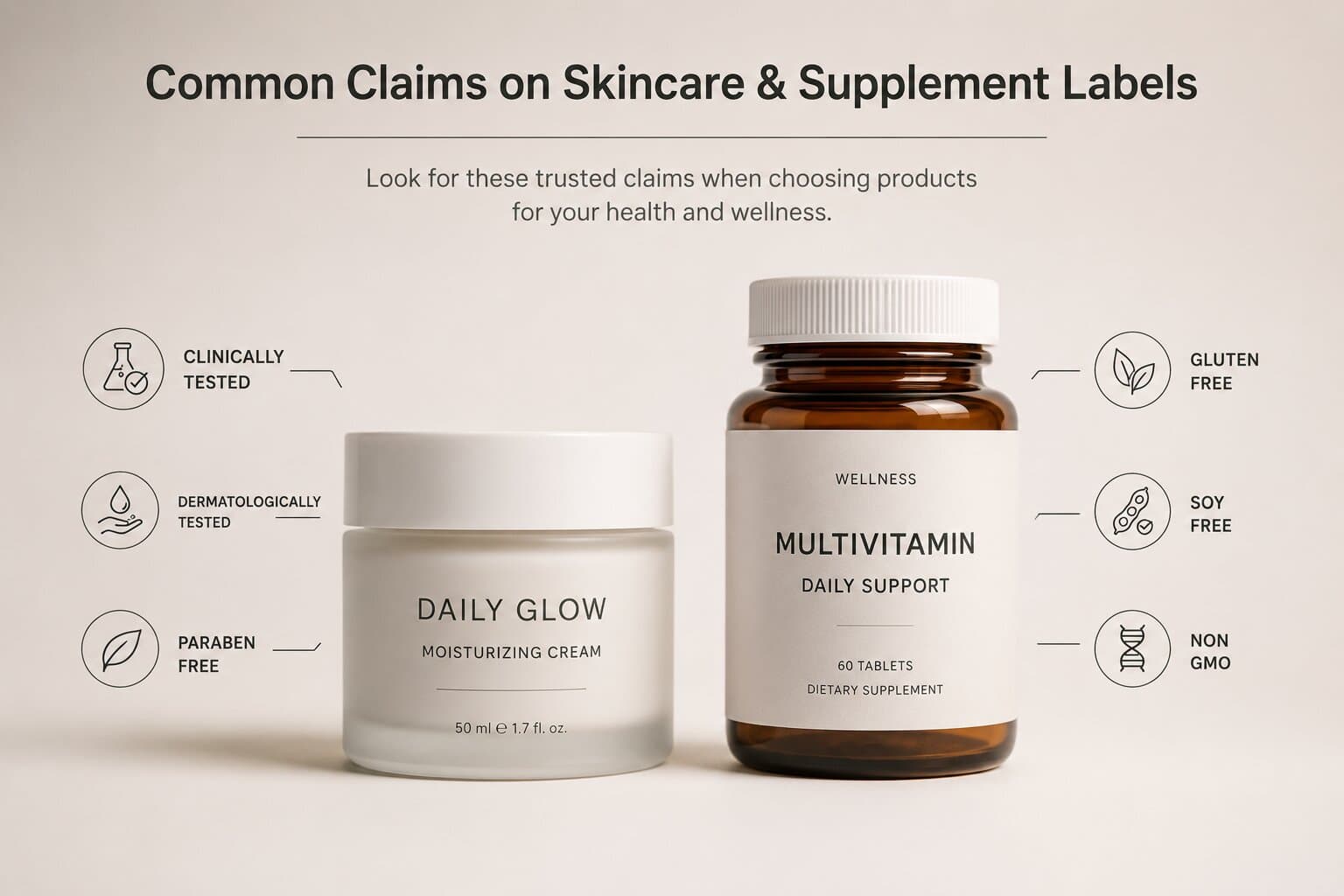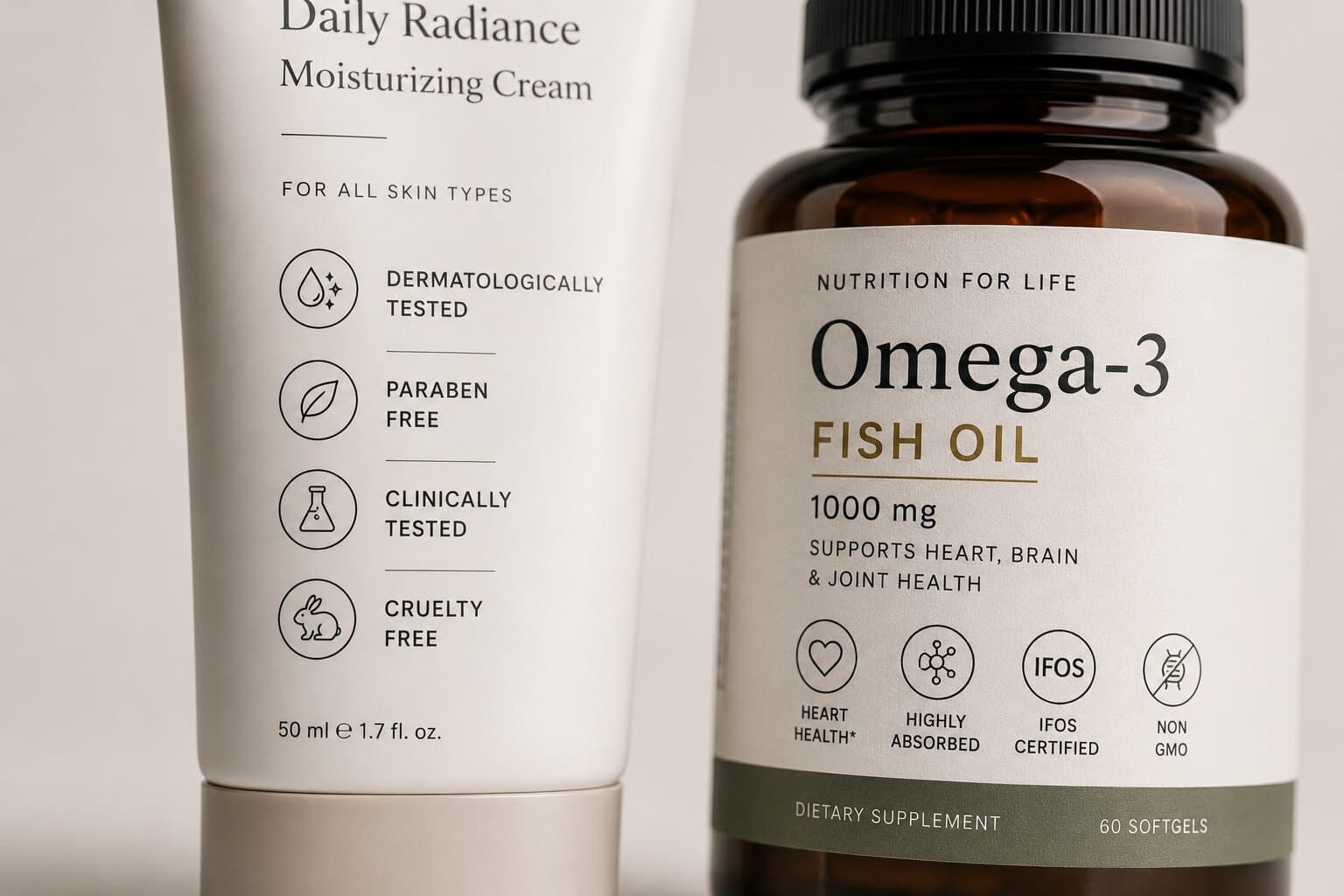
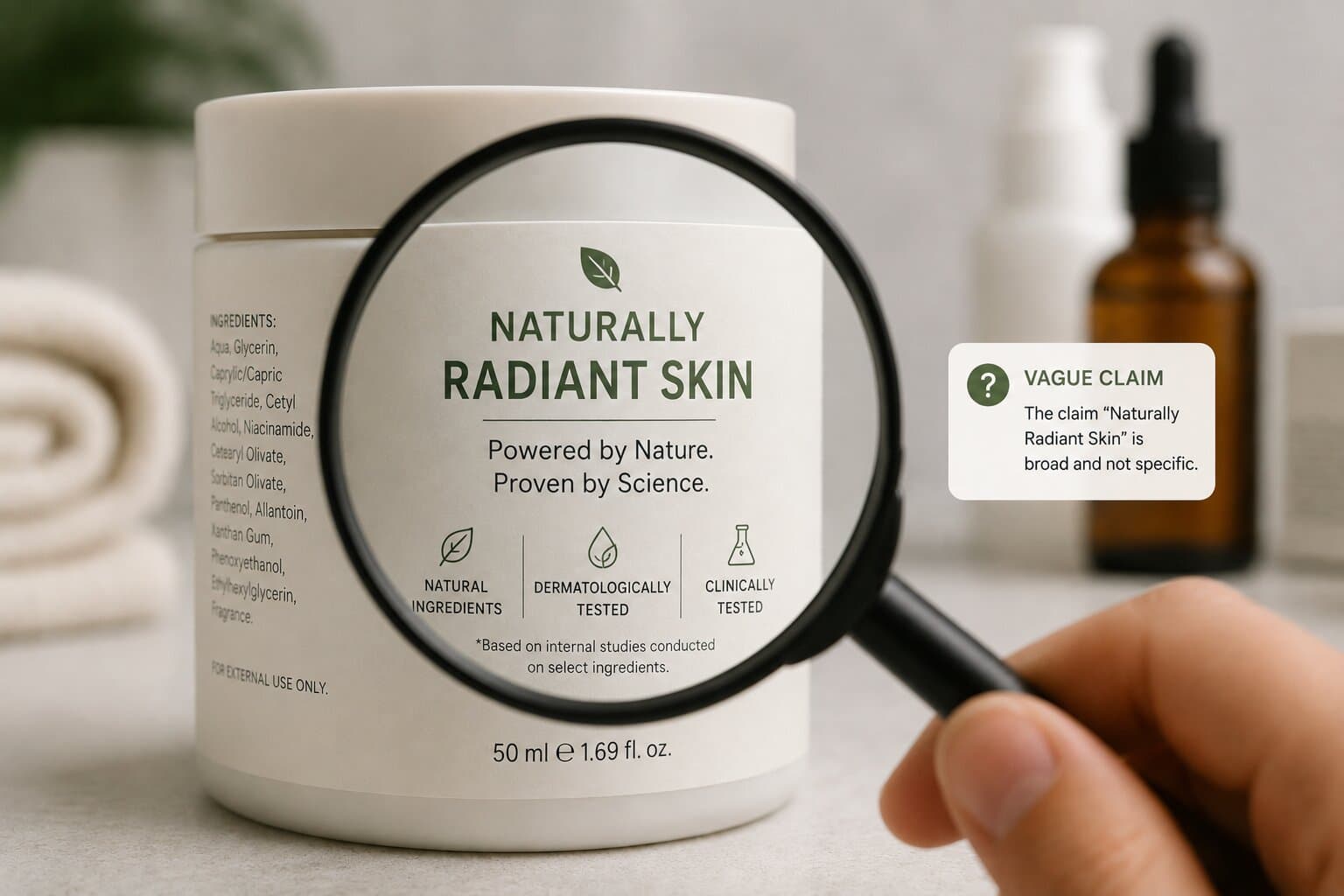
"Clinically Tested." "Paraben Free." Every brand has phrases like these somewhere on its packaging, and most of the time they’re added with good intentions: a quick, reassuring signal to a shopper scanning a shelf. But a vague claim carries a cost that rarely shows up on a spreadsheet.
The Two Ways a Vague Claim Backfires
First, there’s the confidence cost. A customer who can’t confirm what a claim actually means doesn’t automatically give the brand the benefit of the doubt. Increasingly, they just move on to a product that makes the same claim more convincingly, even if the underlying work is identical or weaker.
Second, there’s the regulatory cost. Vague or unsubstantiated claims are exactly what agencies like the FTC scrutinize under advertising substantiation rules. A brand doesn’t need to be making a false claim to run into trouble, just an unsupported one. A claim a brand can’t back up with accessible documentation is a liability sitting in plain sight on the packaging.
"Technically True" Isn’t the Same as "Defensible"
Most vague claims aren’t lies. "Paraben Free" is usually accurate. "Clinically Tested" usually did happen, in some form. The issue is that "technically true" and "clearly substantiated and easy to explain" are different standards, and only one of them actually protects a brand when a customer, or a regulator, asks a follow-up question.
This is the same gap we cover in The Claims on the Pack: What Should You Actually Look For, but from the buyer’s side. Brands benefit from asking themselves the same three questions customers should be asking.
Turning Vague Into Specific
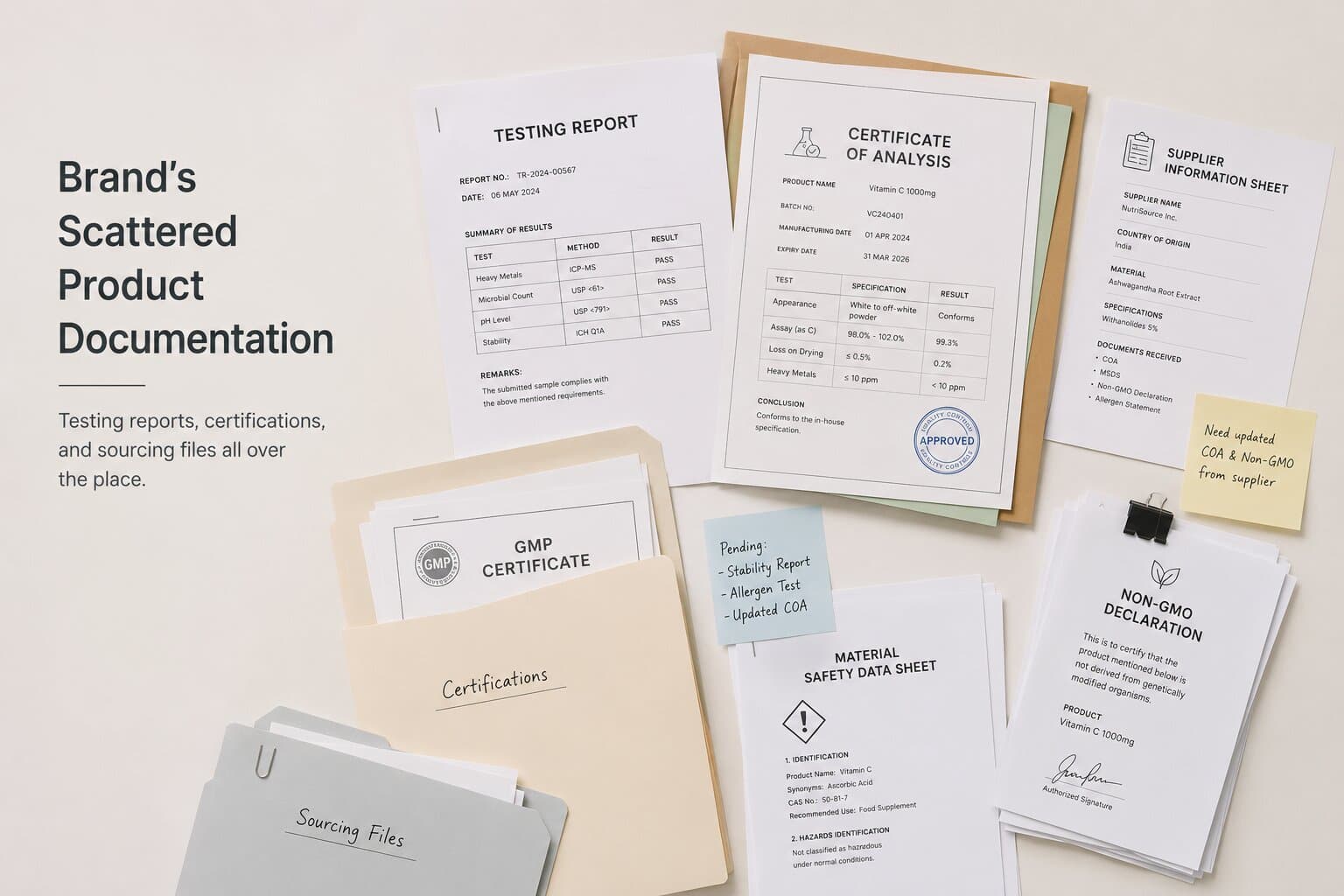
The fix isn’t to make bigger or bolder claims. It’s to make the ones you’re already making easy to explain, in a format that doesn’t require a customer to dig or a compliance team to intervene after the fact. TruOrigin structures that explanation into the product experience itself, connecting each claim to specific, presentable evidence (test summaries, certifications, sourcing notes) the moment a customer wants to check it.
A claim you can explain in one tap is worth more, commercially and legally, than a claim you can only hope nobody questions.
Want a plain-language review of how defensible your current label claims are?
Book a demo →