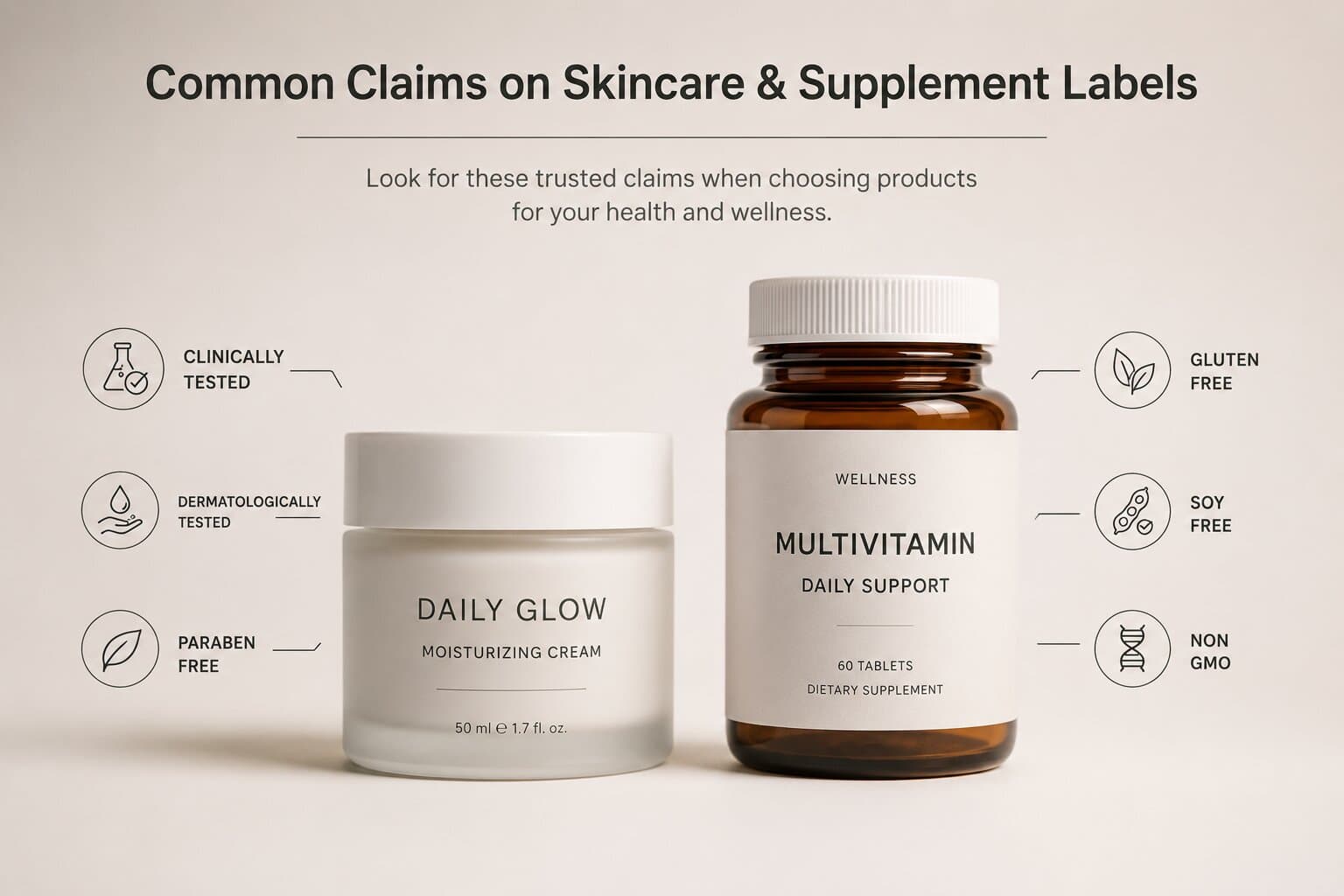
Think about the last time you stood in front of a product, on a shelf or a screen, and had a genuine question about it. Maybe it was a supplement and you wanted to know exactly what "clinically tested" meant for that specific product. Maybe it was a skincare item and you wanted to understand an ingredient before putting it on your face.
What did you do? For most people, the honest answer is: nothing. You either accepted the label claim, ignored it, or moved on to a different product entirely, not necessarily because the first one was worse, but because it was the only one you couldn’t quickly get an answer about.
The Product as a Dead End
Right now, most products are informational dead ends. The packaging says what it says, and once you’ve read it, that’s the end of the conversation. Any further questions require you to leave the product entirely: search a website, dig for a PDF, message customer support, and most people won’t.
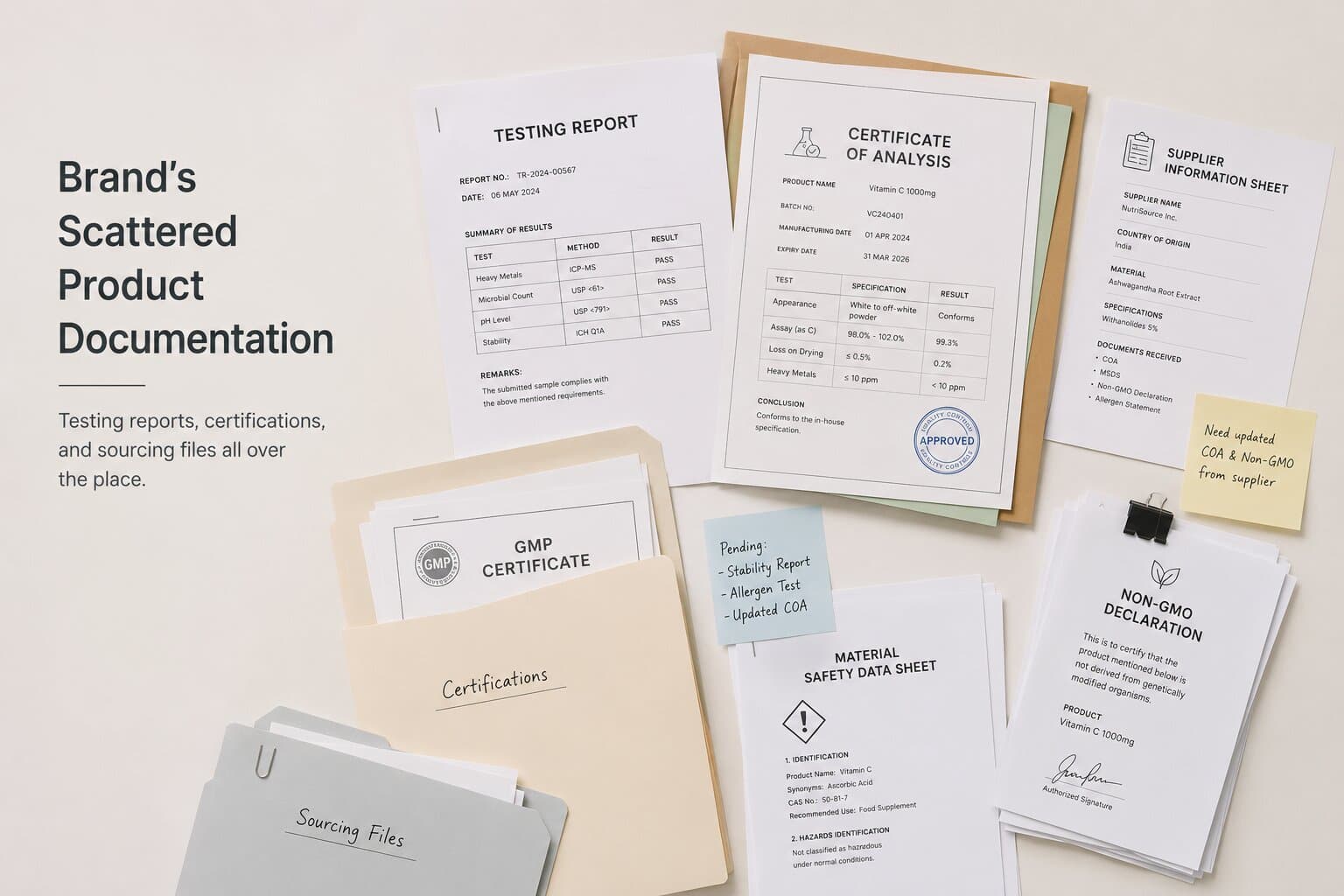
This is strange when you consider how much a brand actually knows about its own product. Sourcing decisions, testing protocols, certifications, formulation choices: all of it exists somewhere. The product just isn’t set up to share any of it beyond a few words on a label.
A Different Starting Point
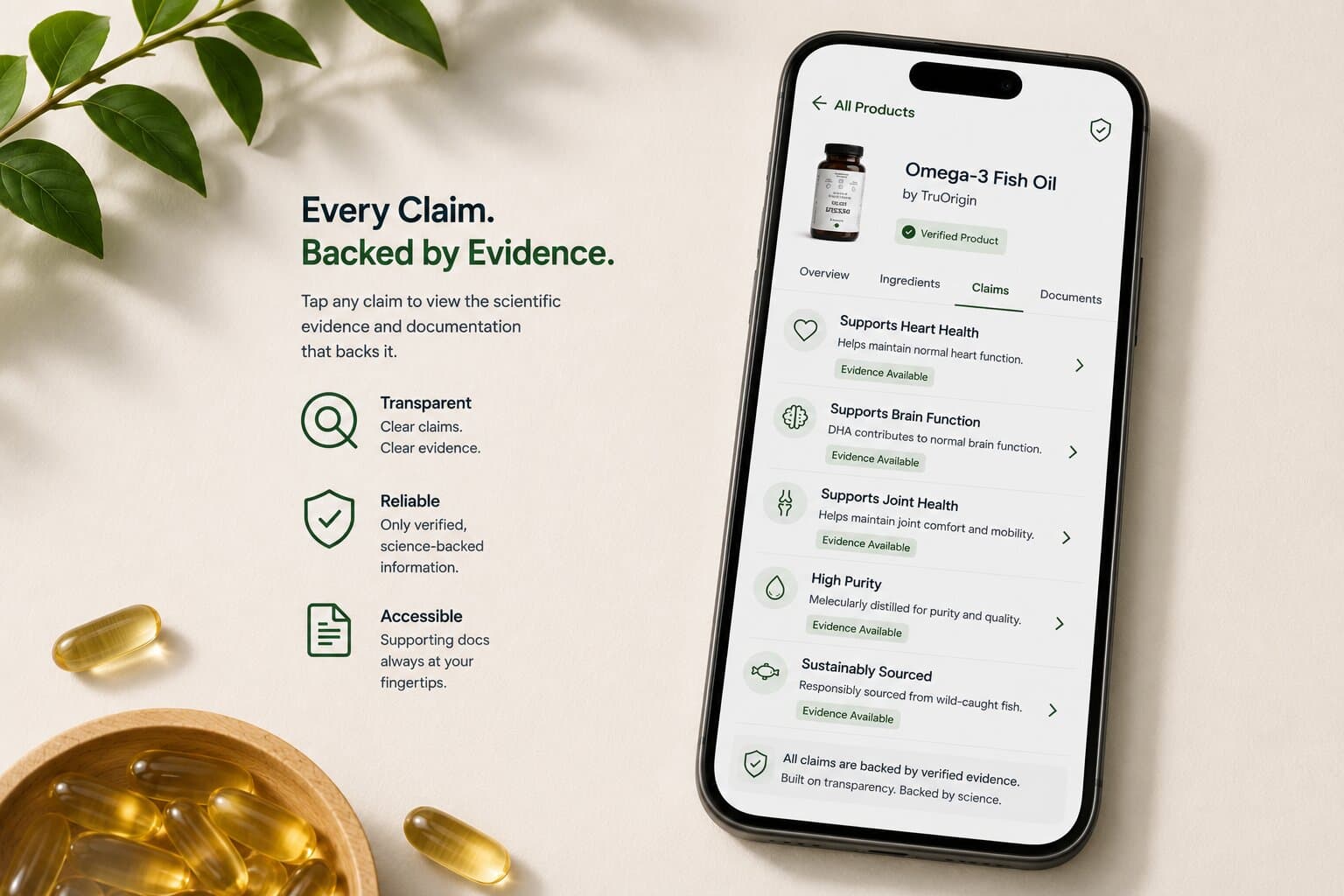
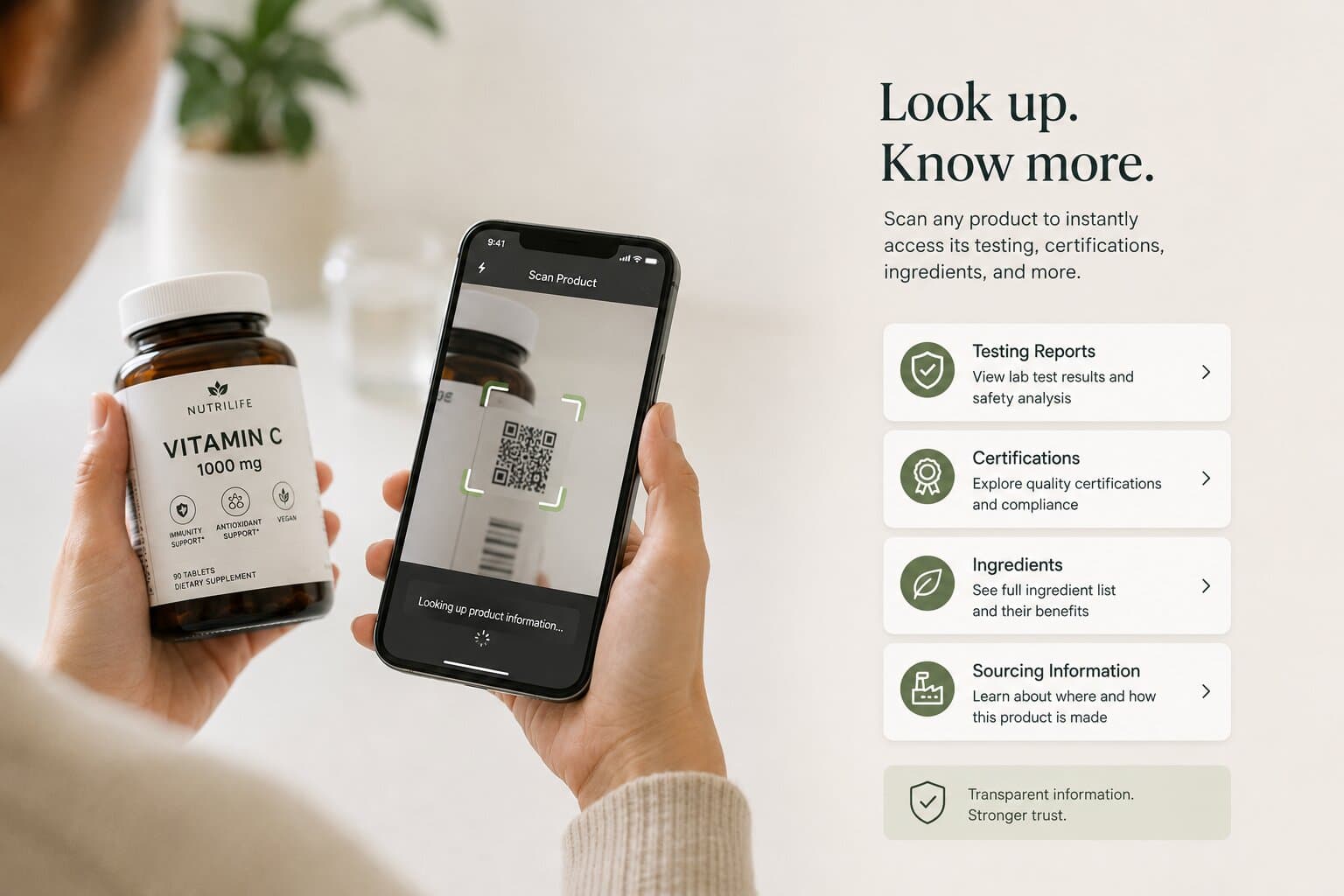
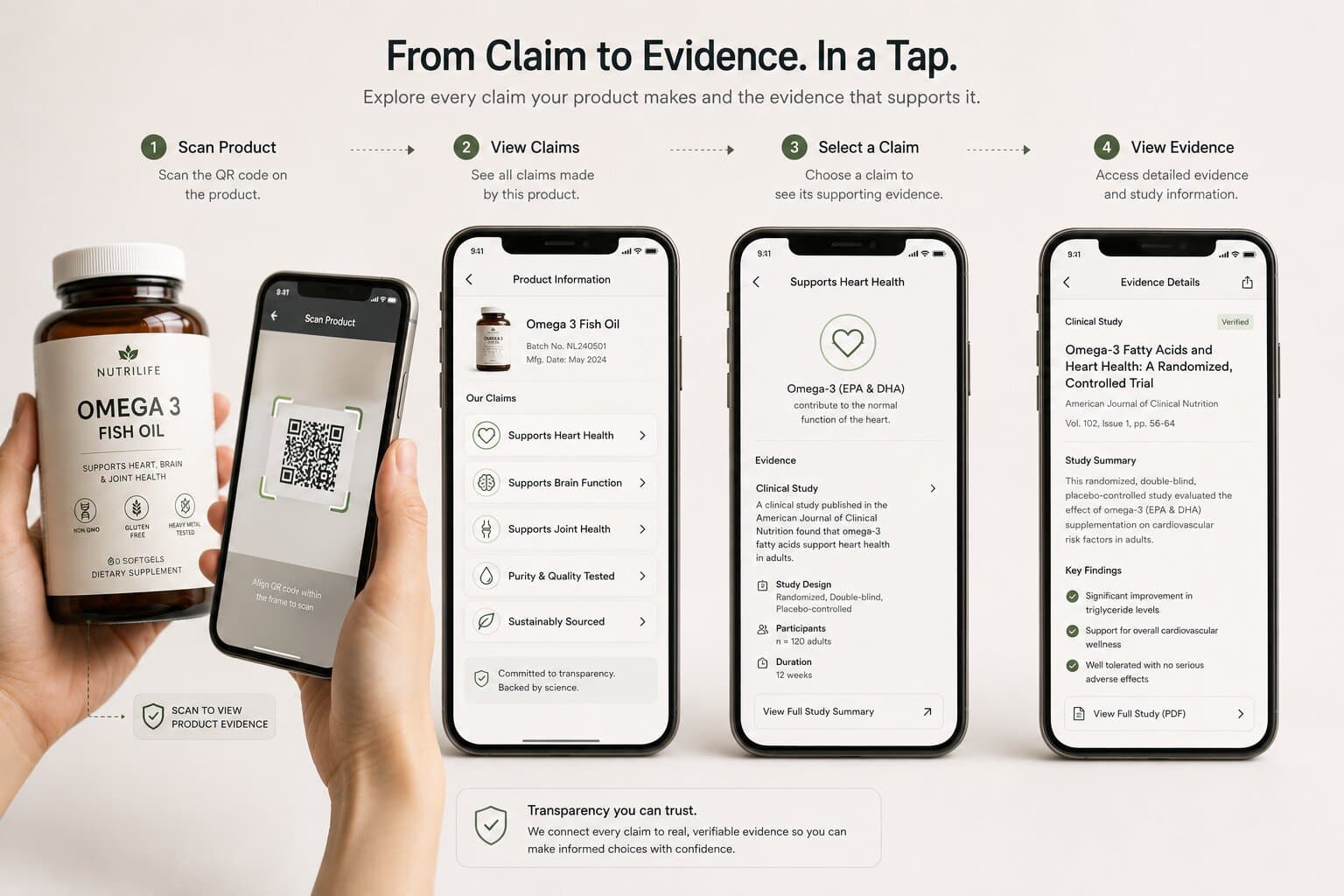
Now imagine the opposite: a product that can explain itself. Not by cramming more text onto packaging that’s already full, but by giving every claim a direct path to the information behind it, accessible in a few taps, whenever a customer actually wants it.
"Clinically Tested" leads directly to what was tested, and how. "Third-Party Tested" leads to the certification itself. An ingredient leads to sourcing and formulation context, not just a name on a list. The customer decides how deep to go. Someone who just wants reassurance gets it quickly. Someone who wants to dig gets the full picture, without needing to become a researcher to find it. To see what this looks like once it’s actually built, read What a Self-Explaining Product Page Actually Looks Like.
Building Toward That
This is the underlying idea behind TruOrigin. Rather than treating product information as something scattered across packaging, websites, and internal files, we structure it around a simple path: Claim → Evidence → Summary → Understanding. Through tools like OriginCard, a product stops being a dead end and starts being something a customer can actually explore.
It’s not about making bigger claims. It’s about making the ones you’re already making genuinely explorable.
Curious what a self-explaining product experience looks like for your brand?
Book a demo →